


The possibility of precious objects hidden in secret chambers can really ignite the imagination. In the mid-1960s, British engineer Godfrey...
The possibility of precious objects hidden in secret chambers can really ignite the imagination. In the mid-1960s, British engineer Godfrey Hounsfield pondered whether one could detect hidden areas in Egyptian pyramids by capturing cosmic rays that passed through unseen voids.
He held onto this idea over the years, which can be paraphrased as “looking inside a box without opening it”. Ultimately he did figure how to use high-energy rays to reveal what is invisible to the naked eye. He invented a way to see inside the hard skull and get a picture of the soft brain inside.
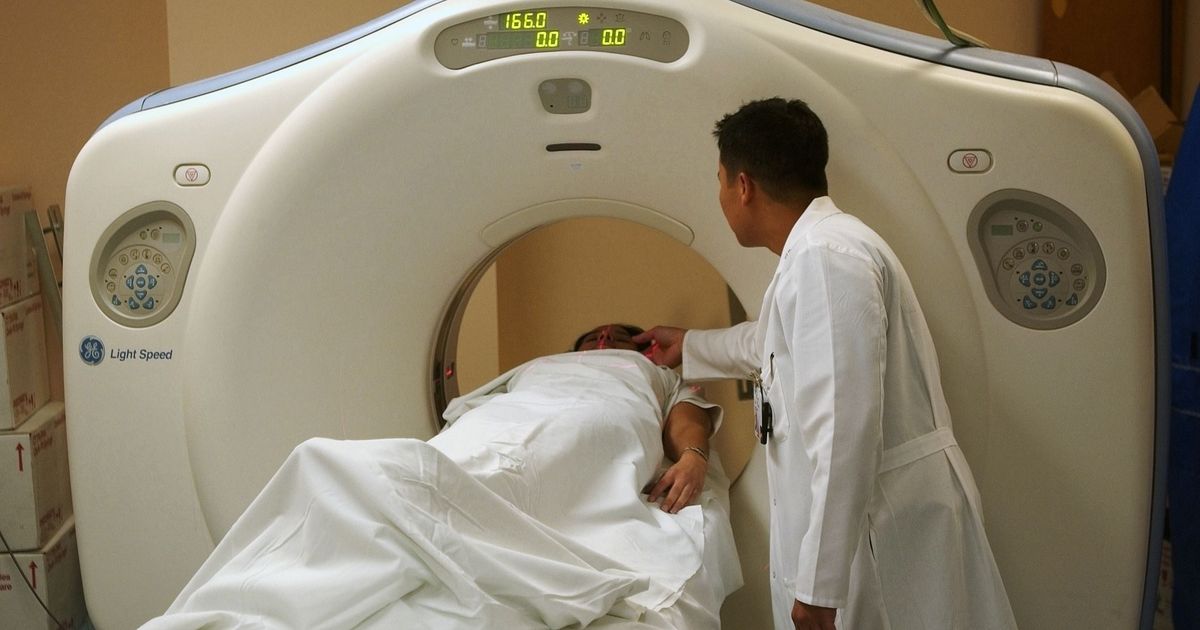
The first computed tomography image – a CT scan – of the human brain was made 50 years ago, on October 1, 1971. Hounsfield never made it to Egypt, but his invention did take him to Stockholm and Buckingham Palace.
Engineer’s innovation
Godfrey Hounsfield’s early life did not suggest that he would accomplish much at all. He was not a particularly good student. As a young boy, his teachers described him as “thick”.
He joined the British Royal Air Force at the start of the Second World War, but he was not much of a soldier. He was, however, a wizard with electrical machinery – especially the newly invented radar that he would jury-rig to help pilots better find their...


