


On screen, Hindustani classical musicians have been mostly played as caricatures, venerable otherworldly figures in shawls or eccentric com...
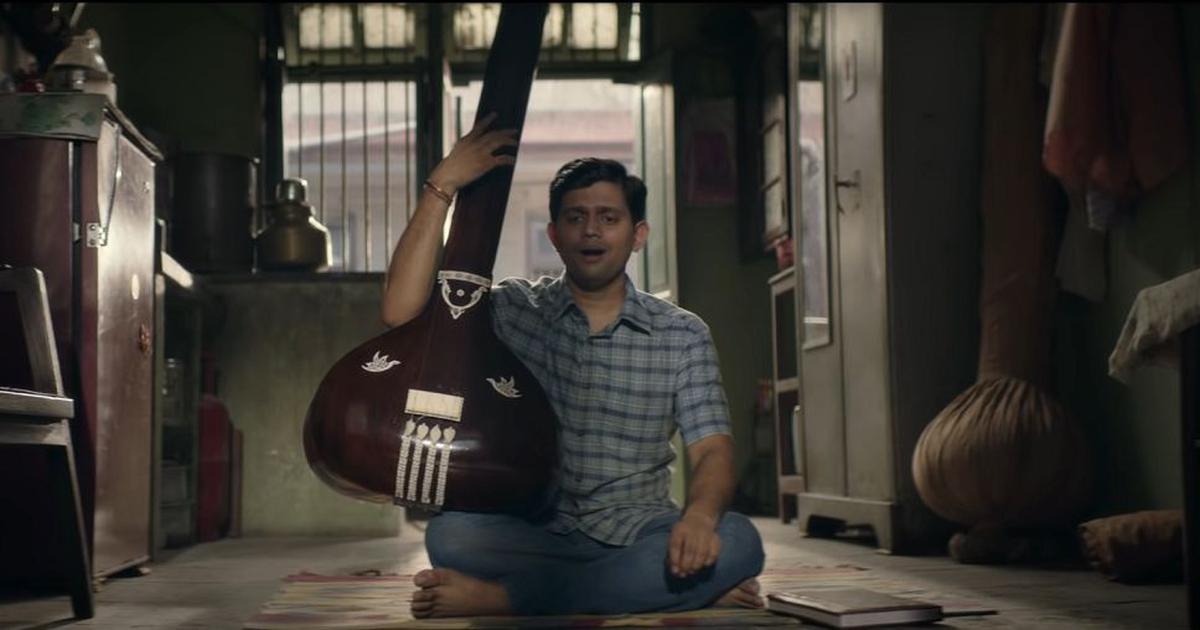
On screen, Hindustani classical musicians have been mostly played as caricatures, venerable otherworldly figures in shawls or eccentric comics. Till Chaitanya Tamhane’s The Disciple hit Netflix with a slow-burning story of an idealistic young khayal singer’s existential struggle.
Here finally was a film that spoke of the joy and terror of being an inheritor of a formidable legacy, the complexity of guru-shishya ties and the desperate fight for recognition and space. And the best part – it had a cast of real-life musicians, not actors hamming it wildly.
You would have thought the film would be greeted with whoops of joy by the fraternity but what The Disciple has done is split it right down the middle. Between those who believe it insults a grand tradition and those who see it as a long-awaited call for change. Between those who feel betrayed by it and those who are thrilled that their innermost pangs and insecurities have found a voice.
Across social media and in private interactions, reactions from classical musicians have ranged from applause to dismay and, often, anger. Their grouse is often literal: Why couldn’t the guru have been a better mentor? Why not show the disciple finding some success with all that riyaz? Why couldn’t he pick another...


