


Dark clouds gathered threateningly on June 3 morning as nine elected representatives of Bastar made their way to a village to meet thousand...
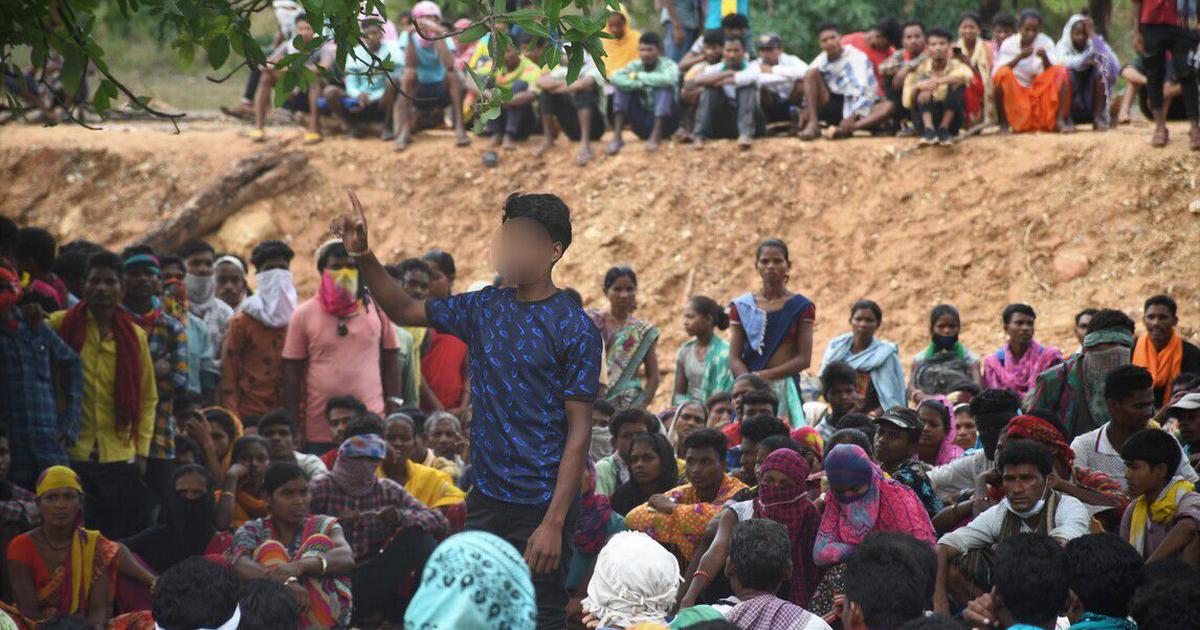
Dark clouds gathered threateningly on June 3 morning as nine elected representatives of Bastar made their way to a village to meet thousands of Adivasis protesting against a security camp for 20 days. After three protestors were killed in police firing on May 17, the demonstration had grown larger.
The protest had been sparked by the establishment of a camp of the Central Reserve Police Force on May 12 in Silger, a village that lies near the border of Sukma and Bijapur districts in south Chhattisgarh, an area considered a stronghold of the outlawed Communist Party of India (Maoist).
Incensed at the authorities setting up the security camp without seeking permission from the village gram sabha, Adivasi men and women from Silger and nearby villages had come out to protest in large numbers on May 13.
The protest took a tragic turn four days later when the police opened fire on the protestors. The police claimed they had been forced to respond after armed Maoists, hidden among the protesting crowds, had attacked the camp. But the villagers strongly denied this. They accused the police of firing at peaceful protestors indiscriminately.
Since then, the crowds on the spot continued to swell even as Adivasi leaders, activists and...


