


The fear of Covid-19 has led to a shift in modal preferences and commuter behaviour in cities. While more men are likely to move to privat...
The fear of Covid-19 has led to a shift in modal preferences and commuter behaviour in cities. While more men are likely to move to private vehicles, fewer women have access to personal modes of mobility.
Daily travel budgets for women are also lower compared to men. The ongoiCovid-19 pandemic is posing a real threat of limited mobility for women in the city. Besides, there is a good chance that changes in transport behaviour during the pandemic might be permanent.
Public transport operators are battling with questions about providing public transport with social distancing norms. It is not surprising the cities are now looking to promote sustainable options like walking and cycling. Keeping this in mind, the Union Ministry of Housing and Urban Affairs launched the Cycles4change Challenge. The challenge is an initiative of Smart Cities Mission intending to inspire Indian Cities to develop cycling-friendly initiatives in the wake of the Covid-19 pandemic.
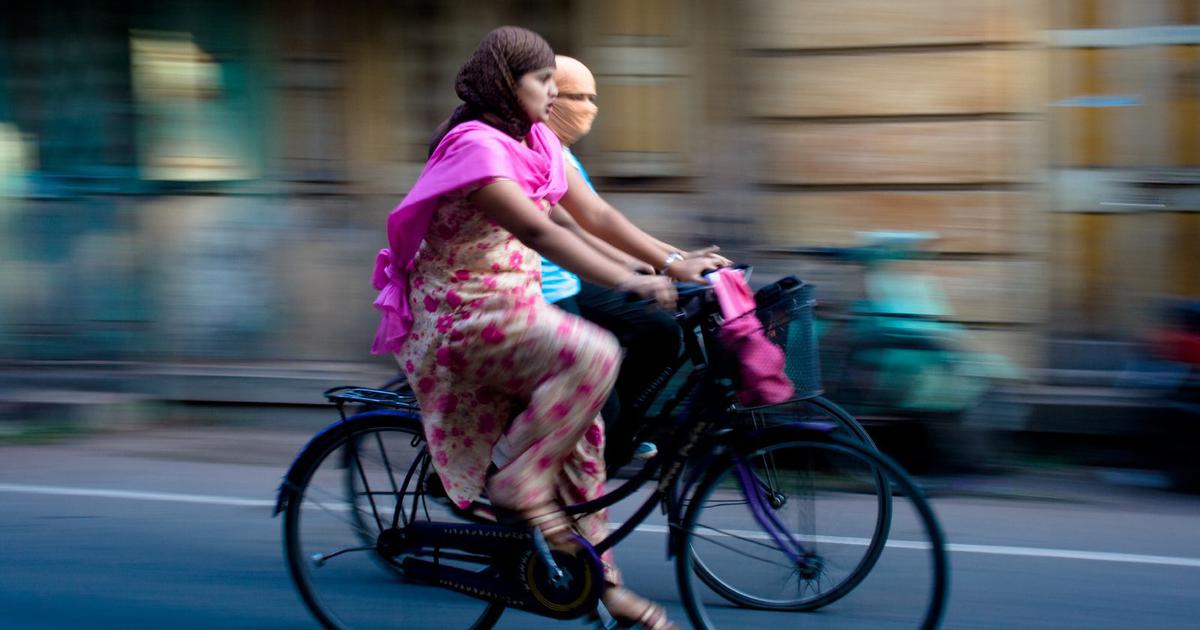
Besides the marginal traffic and relatively cleaner air, many urban inhabitants took to cycling in cities, a popular mode to commute during the lockdown. Particularly for women, walking and cycling have become a viable solution during the pandemic for short commutes.
However, cycling in cities has gendered effects too. Lack of infrastructure and safety on the...

