


One year ago, Hema Bhanji sat wearily outside her home, a makeshift two-story building in the crowded, twisting alleyways of the Versova Ko...
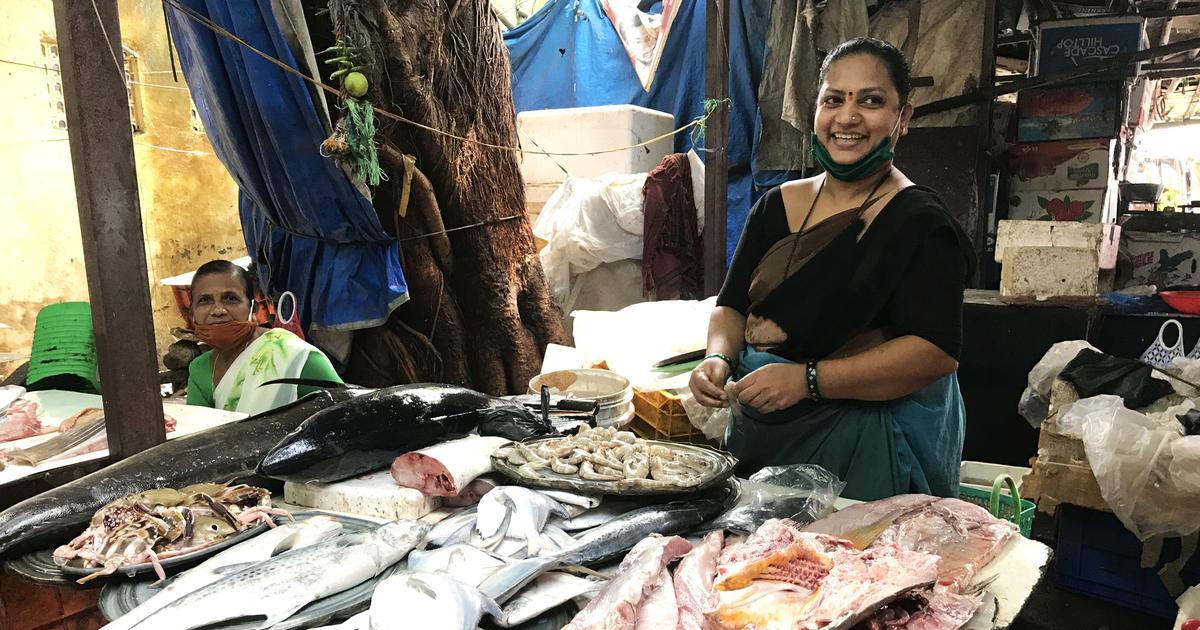
One year ago, Hema Bhanji sat wearily outside her home, a makeshift two-story building in the crowded, twisting alleyways of the Versova Koliwada, Mumbai’s oldest fishing village. She was slicing deftly through the last of her fish, caught on the boat’s final trip before the Covid-19 pandemic arrived on India’s shores.
By her side was a woman nearly 30 years younger, helping to clean the catch while hesitantly eyeing the chunks of surmai being tossed into a plate. Hema sighed and looked at her friend with exasperation. “Take the fish. Staring at it won’t fill you up.” Nearly in tears, the woman thanked Hema and hurried across the road to her family. She had to cook the fish before her husband woke up from his evening nap. As for herself, Hema went to bed hungry that night. “One empty stomach is better than five,” she said simply.
If this were a few months ago, the two would have been flocking, along with hundreds of other Koli fisherwomen, to their open, women-run fish market nearby with kilos of fish, joyfully gossiping about their husbands, their work, and all the other daily dramas of the area.
What followed was a tumultuous year where they had to hold on...


