


“…Not just the men, the women also guard the fields. Once my mother speared a deer to death. My mother is really strong. She can lift a st...
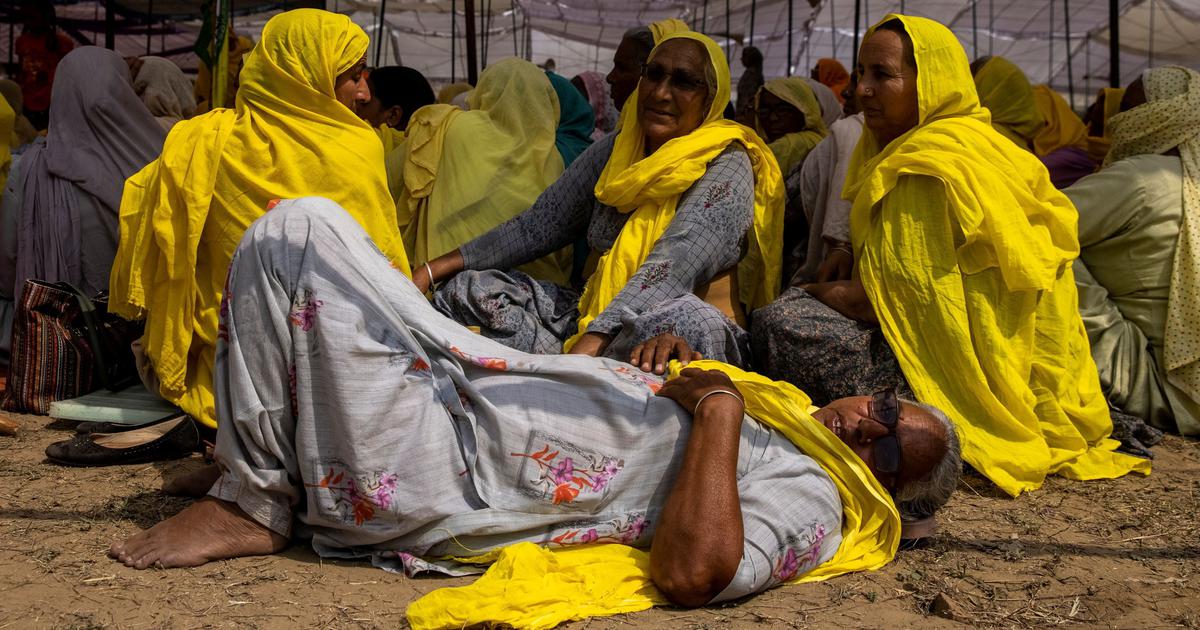
“…Not just the men, the women also guard the fields. Once my mother speared a deer to death. My mother is really strong. She can lift a stone grinder all by herself.
But the spear… is a man’s weapon…
… It’s a foot soldier’s weapon, Princess. Only peasants make foot soldiers.
– … it’s a woman’s weapon too.”
This imagined conversation between Abhimanyu’s wife Uttara and Kurujangal’s women farmers in Mahasweta Devi’s short story “The Five Women”, originally called “Panchakanya”, which was published in the August issue of Proma in 2000 and later published in a collection, After Kurukshetra, by Seagull Books in 2005, could in fact seamlessly move out of the realm of the imagination and merge with the reality of the women farmers in present-day India.
A two-decade-old script met its real-life characters twenty years hence. As if the storyteller had a premonition. If the “spear” in Mahasweta Devi’s story was stripped off its “masculine” tenor, the “tractor” – synonymous with masculine authority – has been claimed by women farmers as theirs too. And whether it is a foot soldier or a peasant, women can be both. So, it is not a man’s weapon (spear) alone, it is a woman’s weapon (tractor) too.
Refusing to be invisible
The five women in Mahasweta Devi’s story...


