


In 1936, the Bengali film periodical Chitrapanji carried a series of articles on whether middle- class women should dance or not. One read...
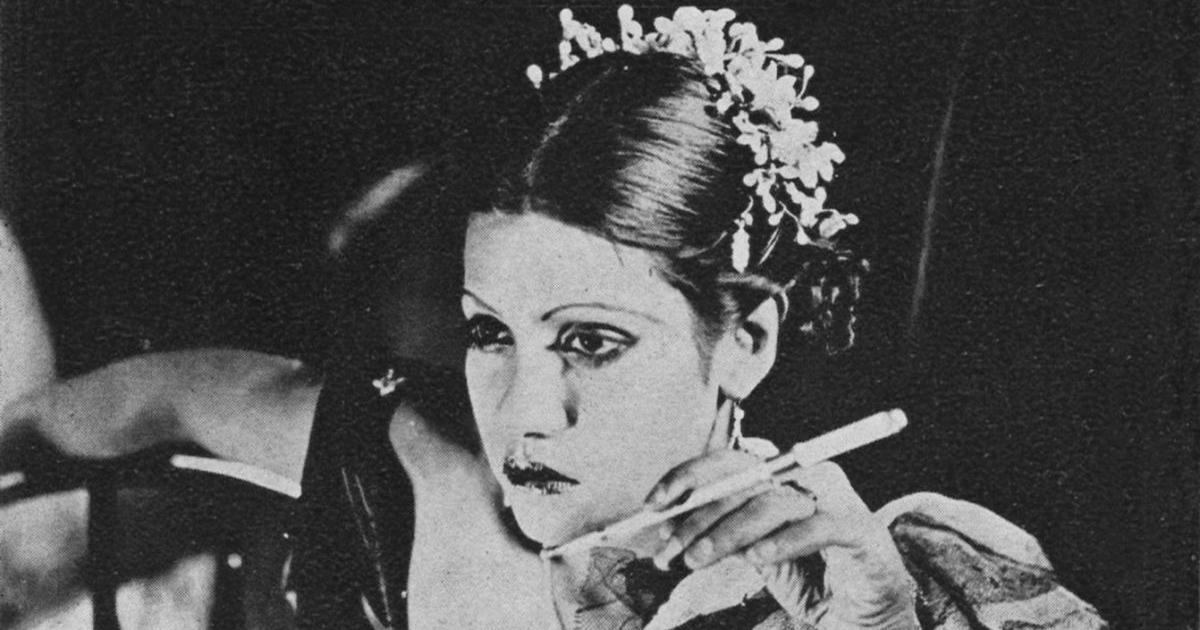
In 1936, the Bengali film periodical Chitrapanji carried a series of articles on whether middle- class women should dance or not. One reader responded, “If a woman moves her arms and legs at her will in her bedroom, that is not a problem since no one sees this. But, if the same woman dresses up and performs on stage before a group of men, then can’t we men say a word [ . . . ] The ultimate aim of a woman’s life is to be a wife and a mother; it would be a lie to suggest that she wants to be a dancer or an actor.”
Earlier that year, the magazine published an article by a dancer-actress who had recently been featured in the Bengali film Sonar Sansar (Debaki Bose, 1936), Srimati Ajoorie. The article titled, “Why Is Dance Neglected,” avers, “Dance is India’s own treasure. . . . But alas, there is hardly any respect for dance in the heart of Indian citizens at present.”
Making her debut the previous year in the Bombay film industry as a dancer in multiple films – Bhen ka Prem (JK Nanda)), Katl-e-Aam (Arolkar, Rele), Judgment of Allah (Mehboob), Chandrasena (V Shantaram), and Bal Hatiya (Ram Daryani) – this columnist, variously named Miss Azoorie, Azurie, Srimati Ajoorie, and Madam...


