


Until my family moved north to Gwalior, I had little knowledge of the political turmoil in India. “British bootlicker,” my classmate once ...
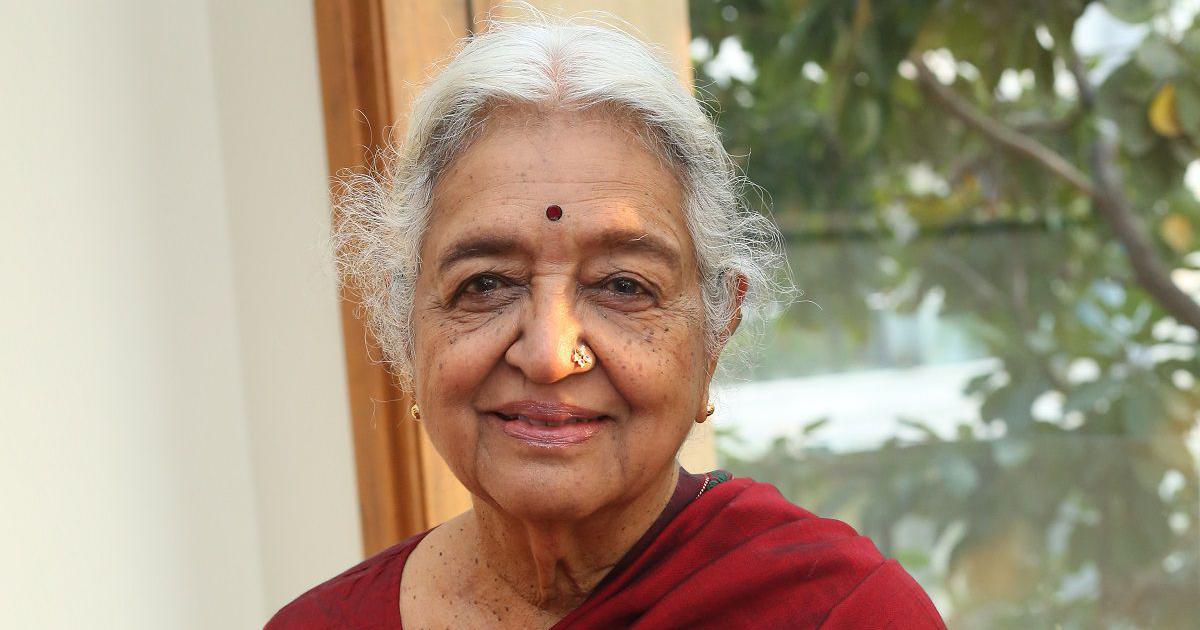
Until my family moved north to Gwalior, I had little knowledge of the political turmoil in India.
“British bootlicker,” my classmate once shouted at me. We were both schoolgirls, the only two non-Christians in our class at the Sacred Heart Convent in Bangalore. The year was 1942. Our school was at the centre of an area of Bangalore called the Cantonment. It had been built to house British soldiers and other colonial officials.
But other communities lived there too – Anglo-Indians, products of mixed marriages, usually between British men and Indian women, converts to Christianity, and Tamil-speaking migrants from the nearby state of Tamil Nadu, brought to the Kannada-speaking city of Bangalore in part so that the British ruling class needn’t depend on the local labour supply.
The school was large and had several buildings, mostly made of the famous grey sandstone of the Deccan plateau on which Bangalore stands. Over time, the grey stone had turned a dignified, muddy brown. The house I grew up in too, was built with this stone; it was the most popular building material at the time, easy to maintain because it didn’t demand regular painting, and calming in the way it blended with the local flora.


