


Instead of using its grain stocks to feed the poor and hungry during the coronavirus-lockdown crisis, the Indian government is letting this...
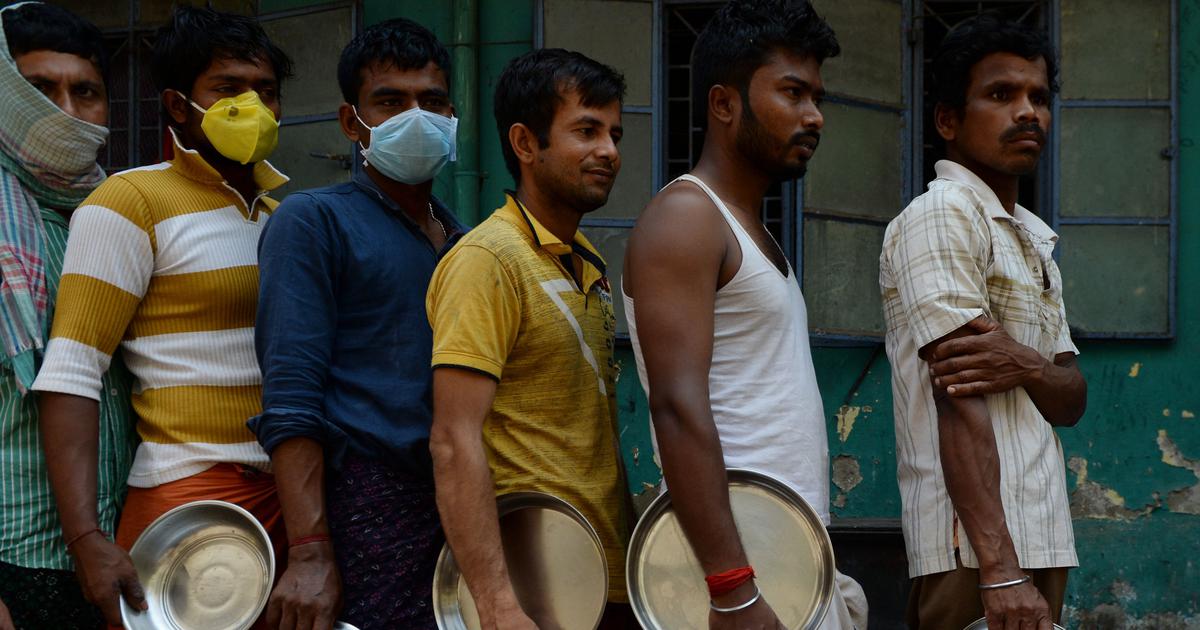
Instead of using its grain stocks to feed the poor and hungry during the coronavirus-lockdown crisis, the Indian government is letting this food rot in its godowns. The government does not have proper storage facilities for stocking such a large amount of excess grain. Since much of this grain has been stored in sub-optimal conditions for long, a significant part of it has been damaged.
In just four months, between January 1 and May 1, the stock of rice and wheat that was not “readily issuable”, which included partially spoilt as well as damaged grain, increased from 7.2 lakh tonnes to 71.8 lakh tonnes. This is more than the amount of grain that has been distributed through PM Garib Kalyan Ann Yojana in April and May to deal with the crisis of livelihoods and food insecurity created by the Covid- 19 lockdown.
Over the last three years, the Food Corporation of India has been sitting on a massive, excess stock of foodgrain. Before we discuss how the government has failed to use these stocks to effectively deal with the present economic crisis, and to understand the political economy of the National Democratic Alliance government’s food policies, it is necessary to discuss how the government...


