


A research paper published on Friday by a study group of the Indian Council of Medical Research provides the clearest statistical window to...
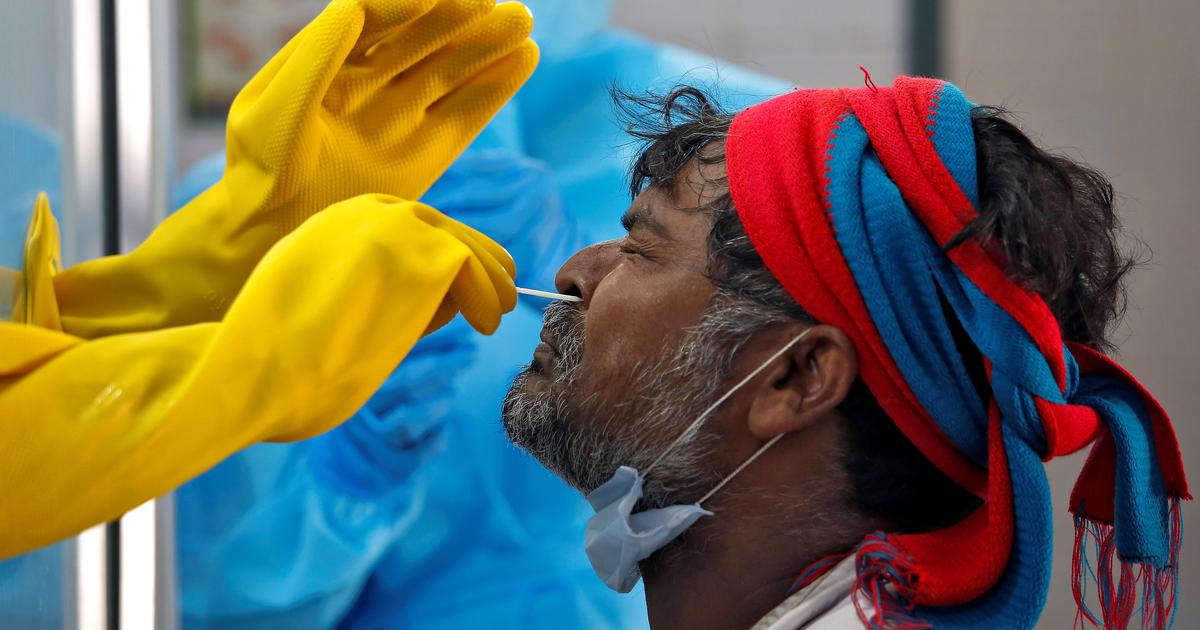
A research paper published on Friday by a study group of the Indian Council of Medical Research provides the clearest statistical window to the novel coronavirus testing situation in India.
The group, which features both government scientists and independent experts, examined anonymised data of 1,021,518 people tested for Covid-19 between January 22 and April 30. Of these, 40,184 people tested positive – a positivity rate of 3.9%.
Beyond the aggregate numbers lie significant insights.
Here are five takeaways from the study.
1. Asymptomatic contacts account for the highest proportion among those tested and confirmed
India’s testing strategy has gradually expanded to include a range of people: those with recent international travel history, symptomatic contacts of confirmed cases, asymptomatic family contacts of confirmed cases, health workers, hospitalised patients with severe acute respiratory infections or SARI and patients with influenza-like-illness or ILI in hotspot areas.
Data on how many people have been tested and confirmed in each category can tell us whether the disease is spreading among those with a history of contact with confirmed cases or among those who lack one.
Unfortunately, testing category data is not available for 578,816 people – or 56.7% of those tested for Covid-19 in India.
Among the people for whom data is available, asymptomatic contacts of laboratory-confirmed cases accounted...


