


The outbreak of Covid-19 has not just created a public health crisis but also unleashed an unprecedented humanitarian tragedy as a result o...
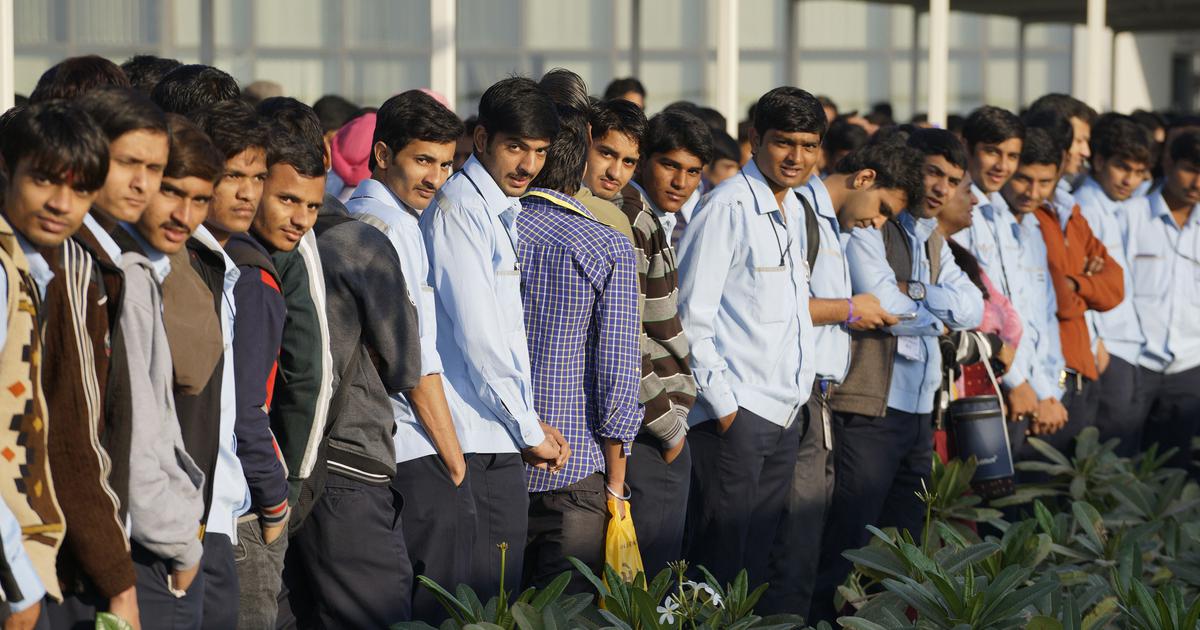
The outbreak of Covid-19 has not just created a public health crisis but also unleashed an unprecedented humanitarian tragedy as a result of the nation-wide lockdown. With more than 90% of Indian workers engaged in precarious work, millions of workers have been left without work, food or shelter as shown in the surveys of the Stranded Workers Action Network. The mass exodus of migrant labourers from big cities to their homes in the hinterland, often at considerable risk to themselves, exemplifies the catastrophic impact that the lockdown has had on the subsistence of workers.
Another dimension of this exodus is its likely impact on the availability of labour after the relaxation of the lockdown. It appears that several state governments have chosen to address this problem by rolling back many of the existing labour laws. While several states have already announced measures to relax some of their labour laws, the government of Uttar Pradesh has taken the most dramatic step by proposing an ordinance that seeks to exempt firms from almost all labour laws. It is hoped that by enhancing labour flexibility, these changes would enable businesses to recoup from the impact of the lockdown and also attract investment.
While some easing of rigid labour...


