


The hamsa/hansa and hamsaa/hansaa, commonly heard names for male and female swans in India, have found mention in Indian mythology and spir...
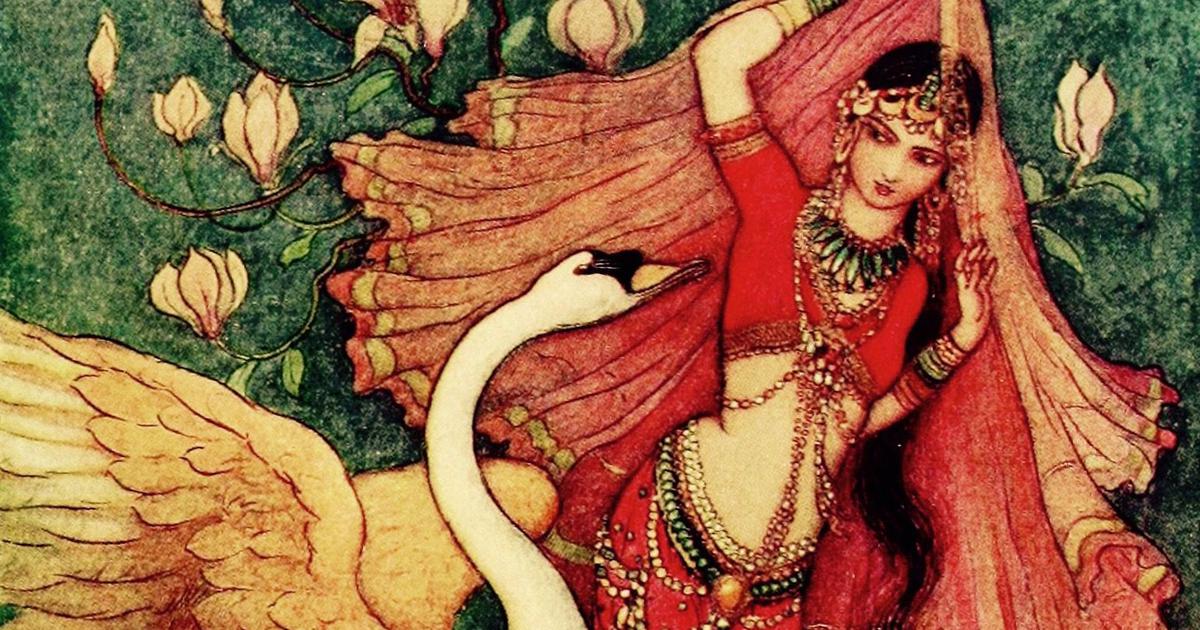
The hamsa/hansa and hamsaa/hansaa, commonly heard names for male and female swans in India, have found mention in Indian mythology and spirituality. They are described as messengers, as a symbol of the individual spirit, and as a vehicle for Saraswati, the goddess of knowledge. While there is a profusion of such imagery in poetic texts, it is curious that the bird finds little mention in Hindustani compositions compared to other birds like the peacock, koel and papiha.
Notably, however, there are names of some raags that carry reference to the bird. Of these, the more popularly heard is Hamsadhvani/Hansadhvani (literally, the sound of the hamsa/hansa), an import from the Carnatic or South Indian art music tradition.
We begin this week’s episode with a rendition by Indore gharana founder and pathbreaking vocalist Amir Khan, whose inimitable presentations of this raag have been looked up to by musicians from all gharanas. According to the description accompanying this track, this is a recording from a live concert held sometime in the 1950s. He sings two compositions in this raag, both set to the 12-matra Ektaal.
The first is a medium-paced khayal composed by Aman Ali Khan “Amar” of the Bhendi Bazaar gharana, who was one of the...


