


So here we are, perfecting our social distancing skills while schools, sports and other forms of social engagement are on indefinite hold, ...
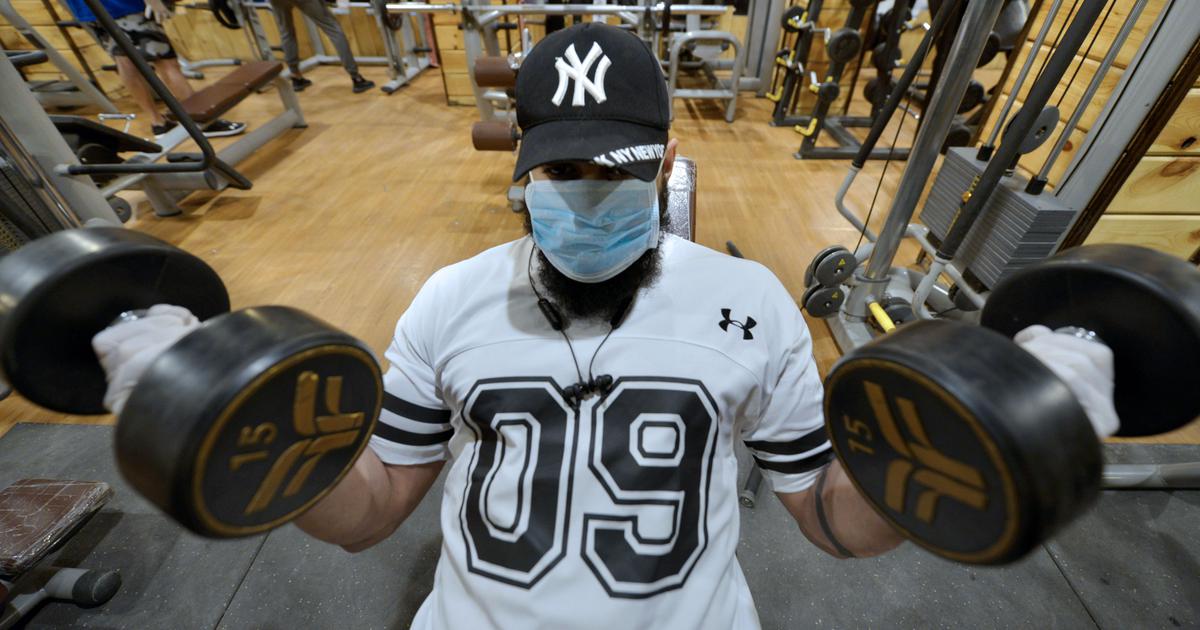
So here we are, perfecting our social distancing skills while schools, sports and other forms of social engagement are on indefinite hold, by a dangerous virus named after a (regal) crown. The coronavirus is named because the center envelope is surrounded by small protein spikes called peplomers. These little protein spikes wreak havoc when they attach to lung tissue and hijack otherwise healthy tissue into building a potentially lethal coronavirus army of invaders.
Because the virus settles primarily with the respiratory tract – the nose, mouth and lungs – it is highly contagious when people sneeze, cough or exchange respiratory droplets with others. Despite its importance, social distancing has been a social disappointment for many weekend warriors, team sport athletes, fitness fanatics and sports fans who find camaraderie, biochemical joy from dopamine rushes or stress reduction through regular exercise and sport.
We are both sports scientists who study athlete health and safety. We’re also proud exercise addicts who find the prospect of not exercising almost as disturbing as the prospect of the disease itself.
Here’s how exercise affects the immune system in response to the flu and some practical tips on how much people should (and should not) exercise.
Look for the ‘just right’ amount
Both too much and too little are bad while somewhere...