


There’s a scene in Prayaag Akbar’s 2017 novel Leila that never made it to the Netflix adaptation. In a not-too-distant dystopian future of...
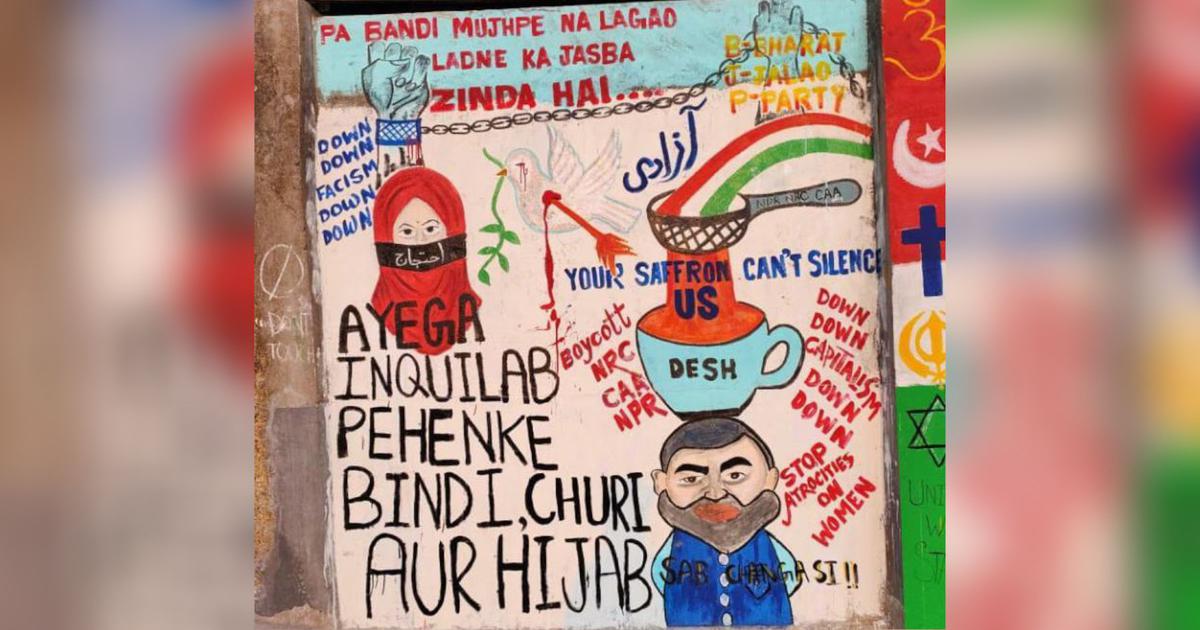
There’s a scene in Prayaag Akbar’s 2017 novel Leila that never made it to the Netflix adaptation. In a not-too-distant dystopian future of water shortage, Riz and Shalini throw a grand poolside party for Leila’s third birthday. The children get their fill of inflatable slides, the parents of champagne. It’s a posh, Westernised crowd, where the women are comfortable leaving a shirt slightly unbuttoned, or showing some leg through the slit in a long dress. So Shalini’s sister-in-law Gazala stands out by being “sheathed in a flowing single-pleat abaya... with a dusty-pink silk hijab that brings out her alabaster complexion.”
“Cheeks glowing with rouge,” Akbar’s description continues. “This is probably as much sun as she ever gets.” The bitchiness is explainable as Shalini’s, not the author’s. But given Akbar’s otherwise nuanced characterisations, Gazala seems an easy stand-in for tradition-bound Muslim femininity. She is somehow both decorative and covered up, and never gets to speak. Her burqa does the talking.
Earlier, Shalini’s reluctance to live in the Muslim sector with her husband’s family is also routed through the veil. “Look, no disrespect to Gazala...,” she tells her brother-in-law Naz. “But I don’t want my daughter in a burqa.” In response, Naz shames Shalini –...


