


On Tuesday, India reported its third coronavirus death, as a 64-year-old man in Mumbai succumbed to the infection. The total number of posi...
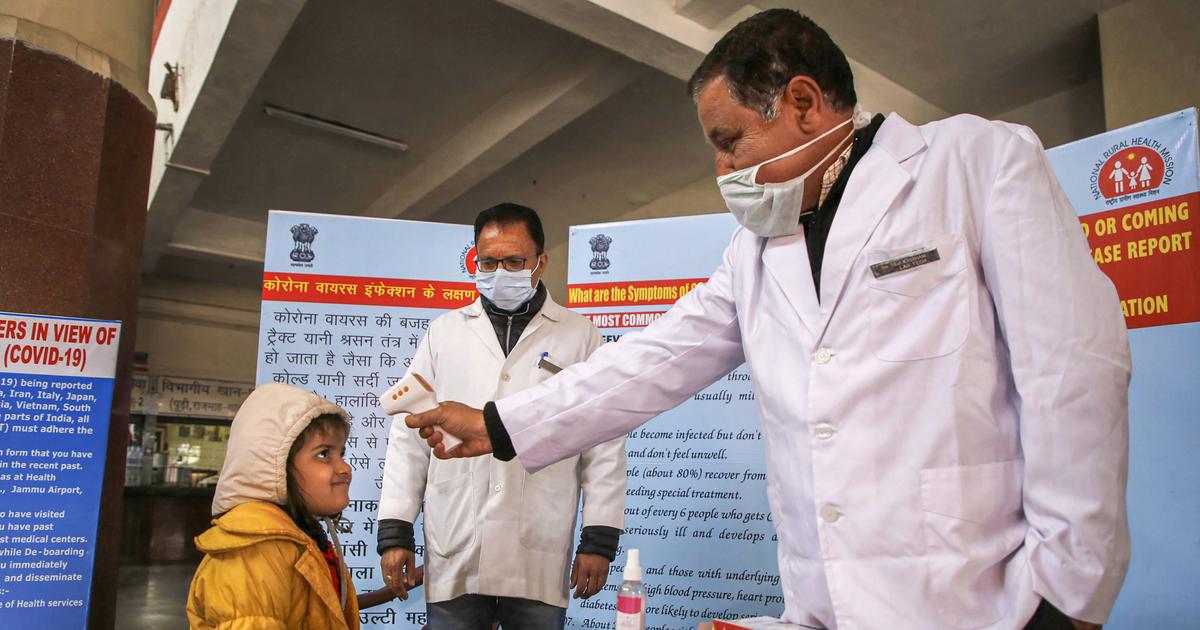
On Tuesday, India reported its third coronavirus death, as a 64-year-old man in Mumbai succumbed to the infection. The total number of positive cases in the country rose to 137.
With the case load expected to rise in the coming days, there is a growing demand that the government involve the private health sector in fighting the pandemic. But opinion is divided on how exactly this should be done.
Should the private sector be allowed to charge for the services? What safeguards are necessary to ensure the infection does not spread and that cases handled by the private sector can be traced and monitored by the government?
Responding to the infection typically involves several stages. First is testing suspected cases, a process that involves quarantine to limit contact with uninfected people and prevent the spread of the disease. Next comes hospitalisation for severe cases.
Private sector involvement at each stage poses tricky questions.
Scroll.in spoke to private labs, hospitals, state government officials and public health activists to understand the concerns.
Testing guidelines
So far, coronavirus tests have been largely restricted to those who with travel history to coronavirus-affected countries or those who came in contact with confirmed cases locally. These tests – 6,500 samples of 5,900 people until March 13 – have...


