


More than a billion people are under a lockdown in India aimed at slowing the spread of Covid-19, which has claimed 27 lives so far. As soo...
More than a billion people are under a lockdown in India aimed at slowing the spread of Covid-19, which has claimed 27 lives so far. As soon as the restrictions were announced by Prime Minister Narendra Modi at 8 pm on March 24, markets across urban India were flooded by panicked buyers stocking up on essentials. In his televised address, Modi had failed to effectively communicate whether Indians would be able to access food and other essentials during the 21-day lockdown or how they could do so.
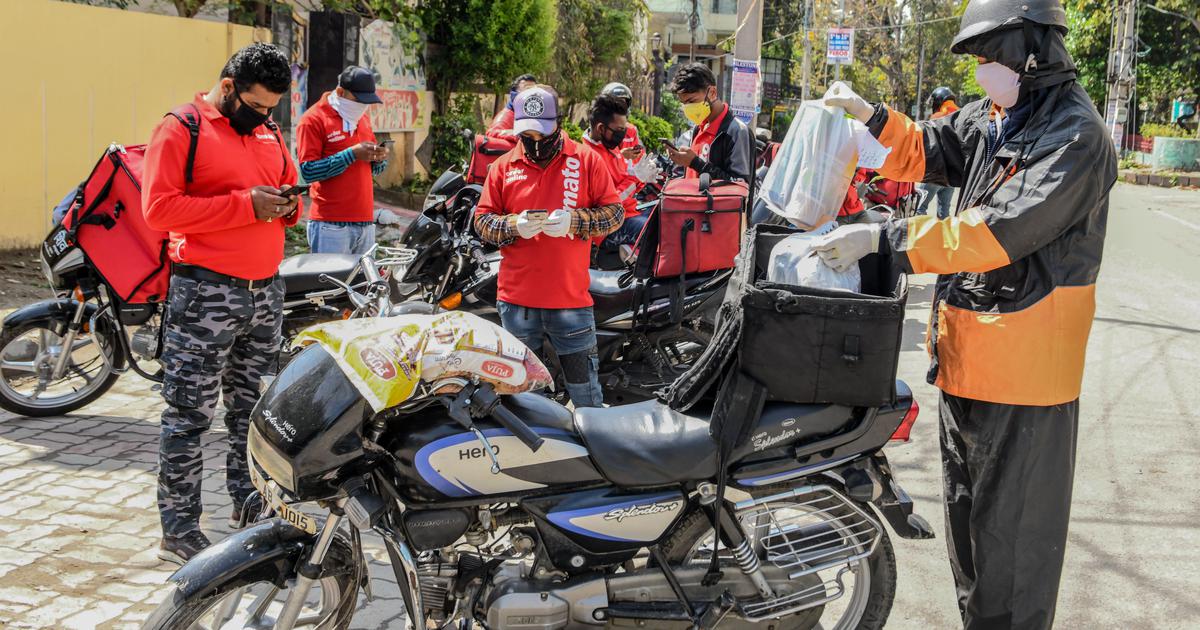
Over the next two days, reports and videos emerged of policemen across the country assaulting vegetable vendors and people who had ventured out to buy groceries. On the morning of March 25, several e-commerce companies suspended their services after their delivery personnel were beaten by the police.
By that night, though, most of these companies said they had resumed their services in a limited number of cities and were in talks with the police to issue curfew passes to their delivery personnel.
However, very few Indians actually shop for groceries online regularly. Online food and grocery retail accounts for just 0.2% of the overall retail market, research firm RedSeer Consulting told Mint. Most Indians prefer to step out to buy essentials from local...


