


For far too long, the accepted wisdom among scholars of politics has been that the interests of the individual and the interests of society...
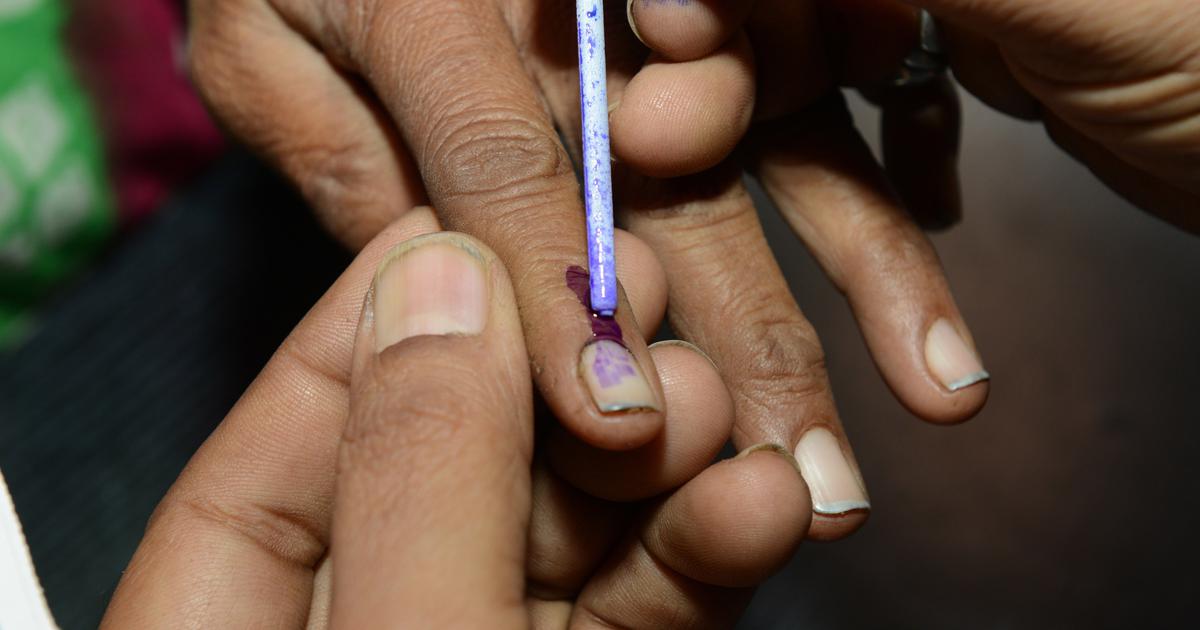
For far too long, the accepted wisdom among scholars of politics has been that the interests of the individual and the interests of society are not in harmony when it comes to voting. The American economist Anthony Downs, in his foundational book An Economic Theory of Democracy, argued that a truly rational individual, who knows that her vote is highly unlikely to tip the outcome in favour of her preferred candidate, should not bother to cast a ballot. On this view of human rationality, an independent action that carries no instrumental value for the person who acts is essentially foolish, justifiable only by the sense of pride or communion with others that it creates in her.
This is fine, perhaps even compelling, as an esoteric argument. But taken to its logical extreme, this classical account of rationality would imply that nobody should ever vote. This outcome would gut democratic governance of its central regulating mechanism. Society would be left worse off, even if each citizen were spared the apparently pointless expense of time and energy involved in a trip to the ballot box. Two facts are missing from the classical view: that elections are ultimately cooperative ventures, and that the rationality of participating in them...


